Turning Search Intent Into Relevant, Search-Ready Pages
On-Page SEO Optimisation
I optimise website pages to align keyword targeting, search intent, content structure, and on-page signals with user needs and business objectives. My approach combines data-driven keyword research with practical implementation to improve content relevance, strengthen internal linking, and support organic search visibility.

Aligning Keywords With Page Purpose
Keyword Research & Intent
I analyse keyword opportunities and search intent to align target queries with the most relevant pages. This helps establish clear page targeting, reduce unnecessary keyword overlap, and create a more focused content strategy.
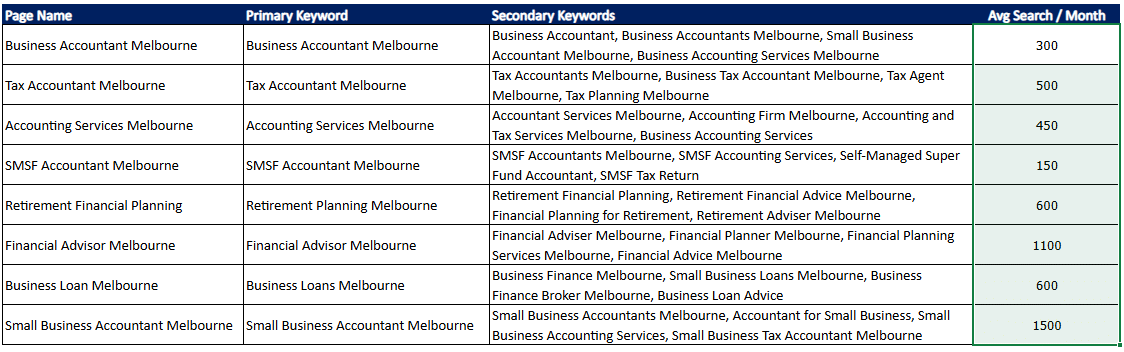
Keyword Mapping :
Mapped primary and secondary keywords to the appropriate landing page, grouped related search terms by intent, and identified supporting content opportunities.
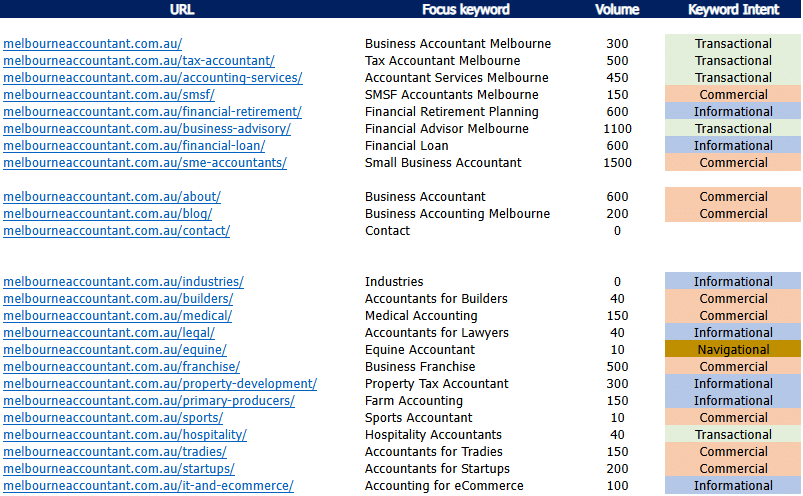
URL Mapping :
Analysed the SERP to identify dominant search intent and adjusted the page direction to better match what users were looking for.
Compared the page structure against competing search results and confirmed the content aligned with the dominant intent.
Improving Search Relevance and Snippet Clarity
Title Tags & Meta Descriptions
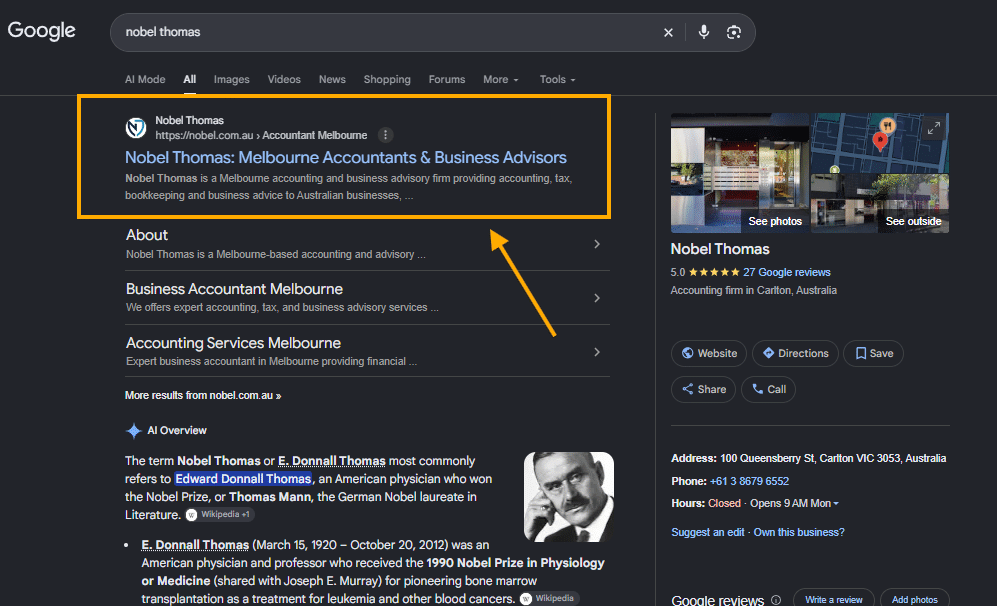
I optimise title tags and meta descriptions to communicate page relevance, reflect search intent, and present a clear value proposition in search results. I also review metadata uniqueness and consistency across priority pages.
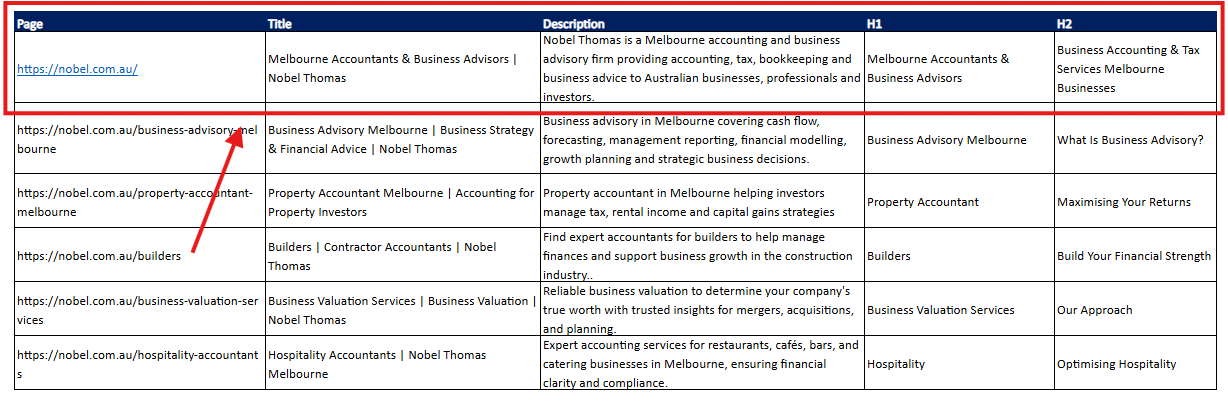
Rewrote the title tag and meta description to improve topical clarity, maintain natural language, and better reflect search intent.
Verified the updated metadata in the rendered HTML and Google Search Console after implementation.
Structuring Content Around Search Intent
Content & Heading Optimisation
I refine content hierarchy, headings, and page copy to improve topical clarity, readability, and alignment with user needs. Each section should serve a clear purpose and contribute to the page's overall relevance.
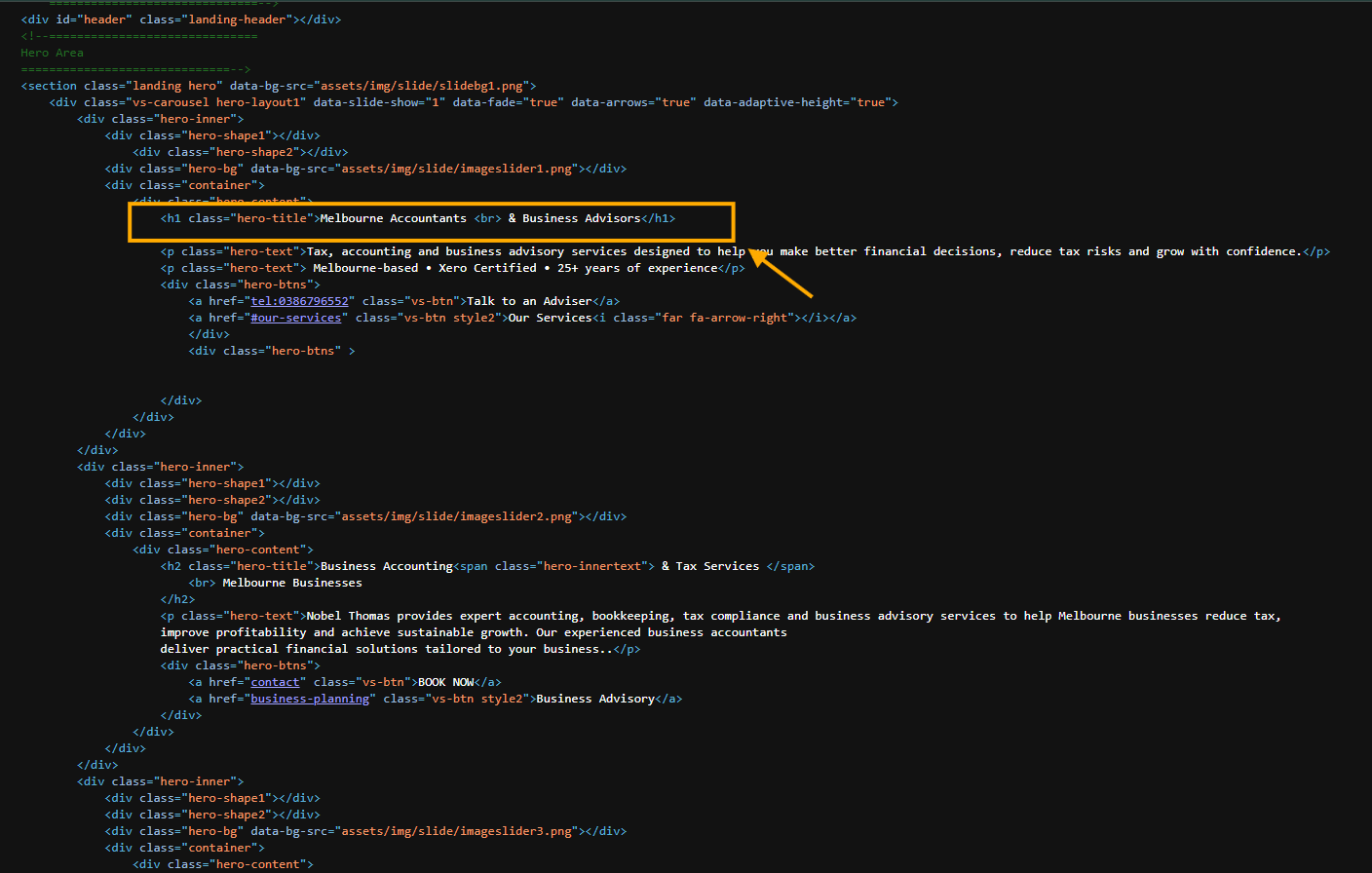
Improved content depth by incorporating relevant supporting terms, strengthening topical coverage, and refining the page copy for readability.
Reviewed the updated content structure and confirmed the changes were successfully published.
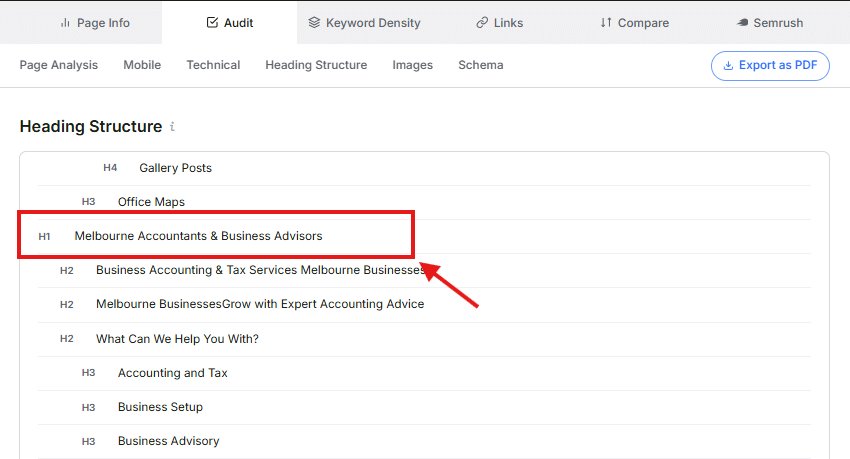
Reorganised H1, H2, and H3 headings into a logical hierarchy that better supported both readability and page organisation.
Inspected the rendered page structure to confirm headings followed the intended hierarchy without duplication.
Strengthening Site Structure and Contextual Relevance
URL Structure & Internal Linking
I review URL consistency, internal linking opportunities, and contextual anchor text to support website navigation and help search engines understand relationships between related pages.
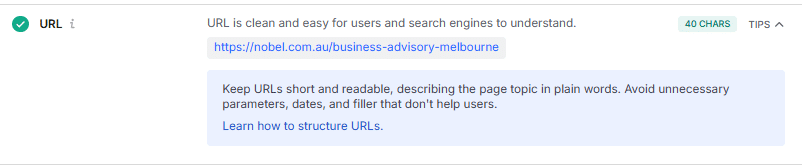
Reviewed URL naming conventions and ensured the page followed a clear, descriptive structure aligned with the site's organisation.
Confirmed the final URL matched the intended structure and did not introduce unnecessary redirect issues.
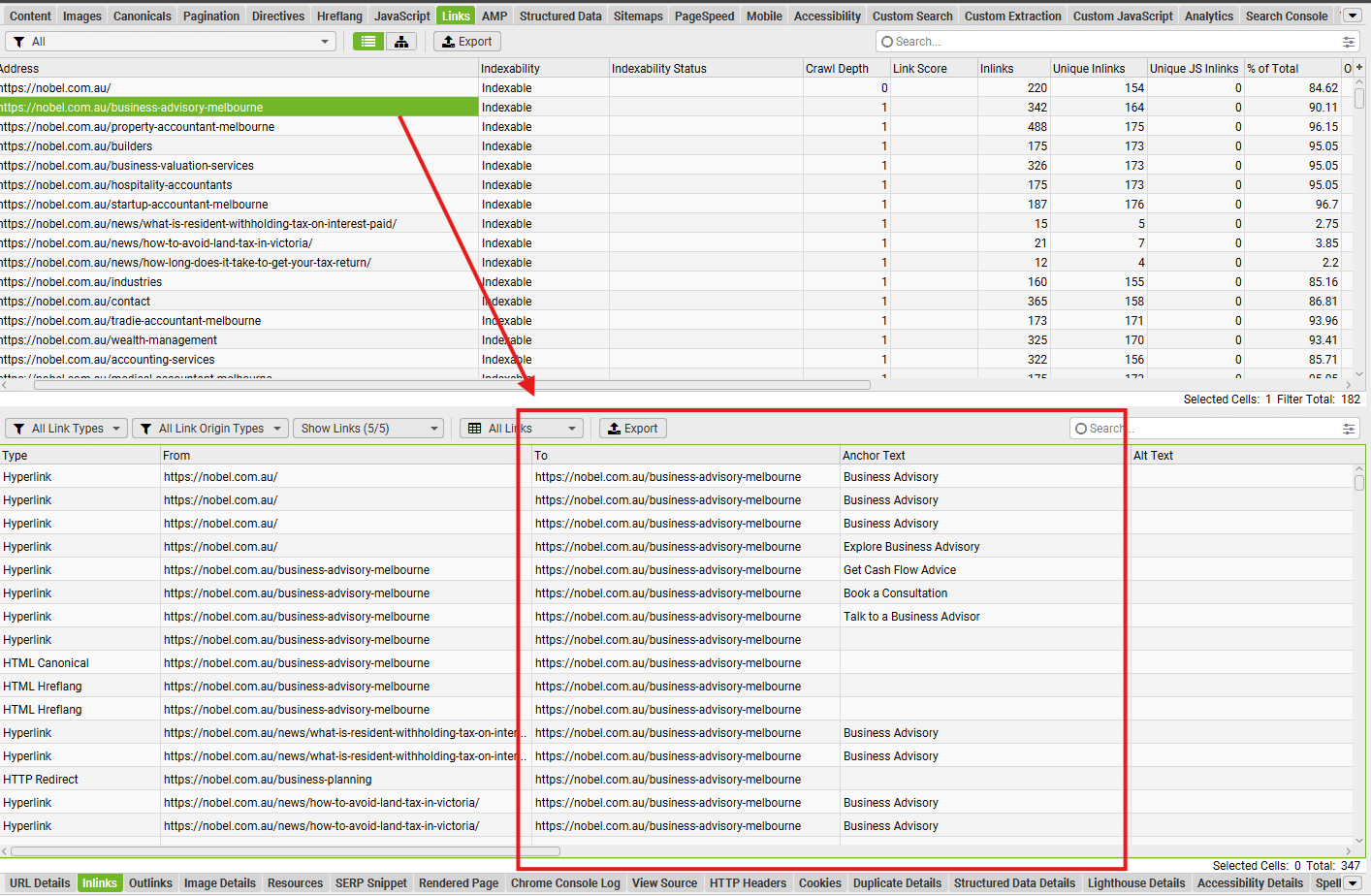
Added relevant internal links using descriptive anchor text to strengthen navigation and reinforce related content.
Validation: Checked that internal links resolved correctly, used appropriate anchor text, and supported the intended page relationships.
Images and Multimedia
I optimise images and other media to support accessibility, content relevance, and page experience without compromising visual quality.
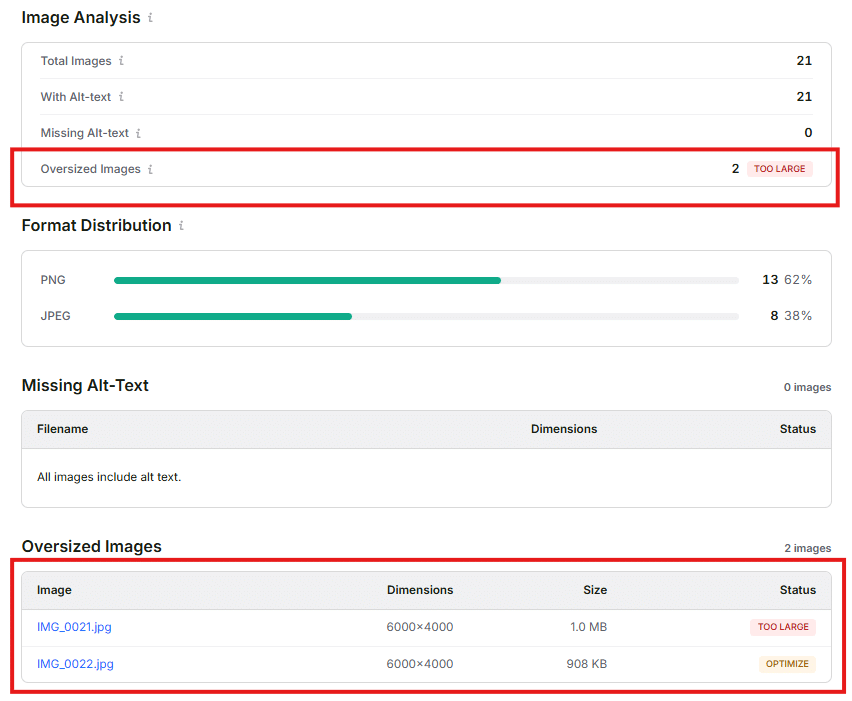
Assessed image assets and identified oversized images for resizing and compression while preserving visual quality.
Reviewed image dimensions, file sizes, rendered appearance, and page performance after optimisation.
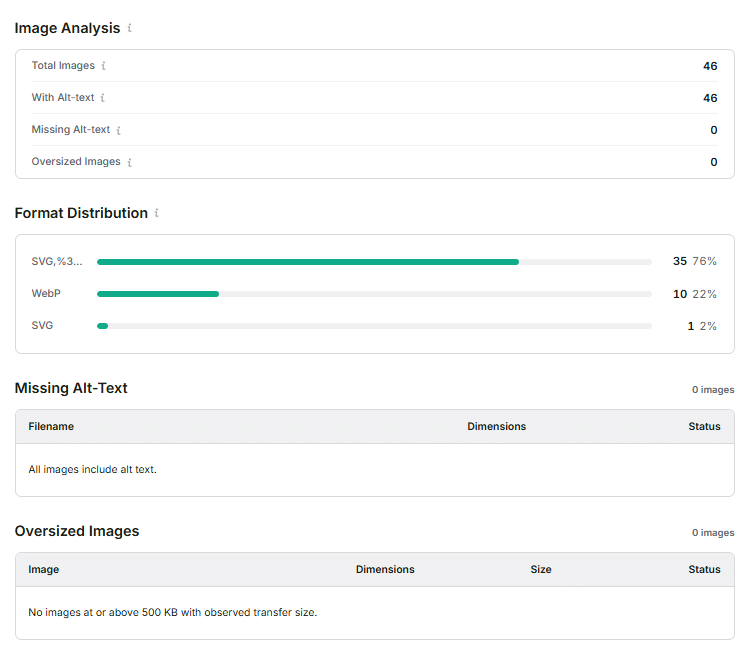
Identified images requiring resizing and more efficient compression to reduce unnecessary payload without compromising visual quality.
Compared image dimensions and file sizes before and after optimisation, then checked visual quality and page performance.
Technical On-Page Elements
I review page-level HTML and search signals to ensure content is accessible, clearly structured, and consistent with the intended indexing and search presentation.
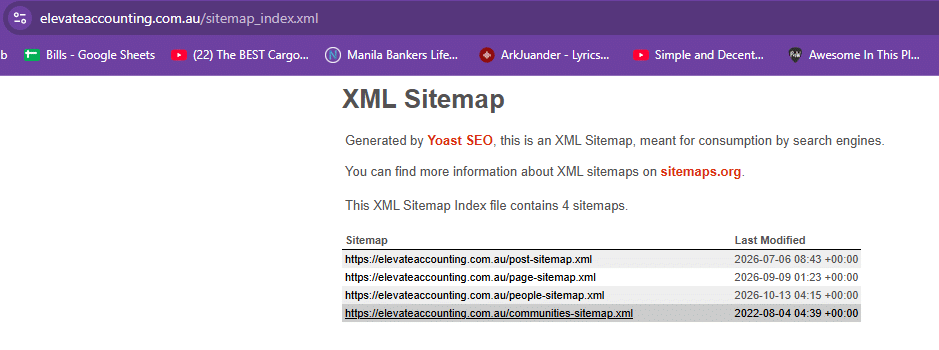
Reviewed the XML sitemap structure and checked that relevant, indexable URLs were represented appropriately.
Validation: Inspected sitemap accessibility and URL entries, then cross-checked important pages against their canonical and indexability signals.
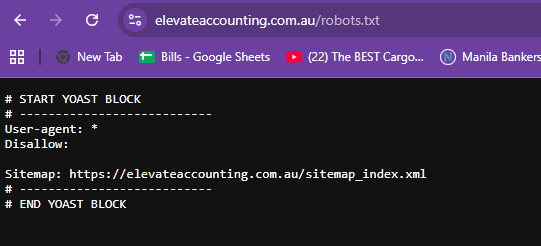
Inspected the robots.txt directives against the site's intended crawl access requirements.
Checked the live robots.txt file and confirmed that important page resources and target URLs were not unintentionally blocked.
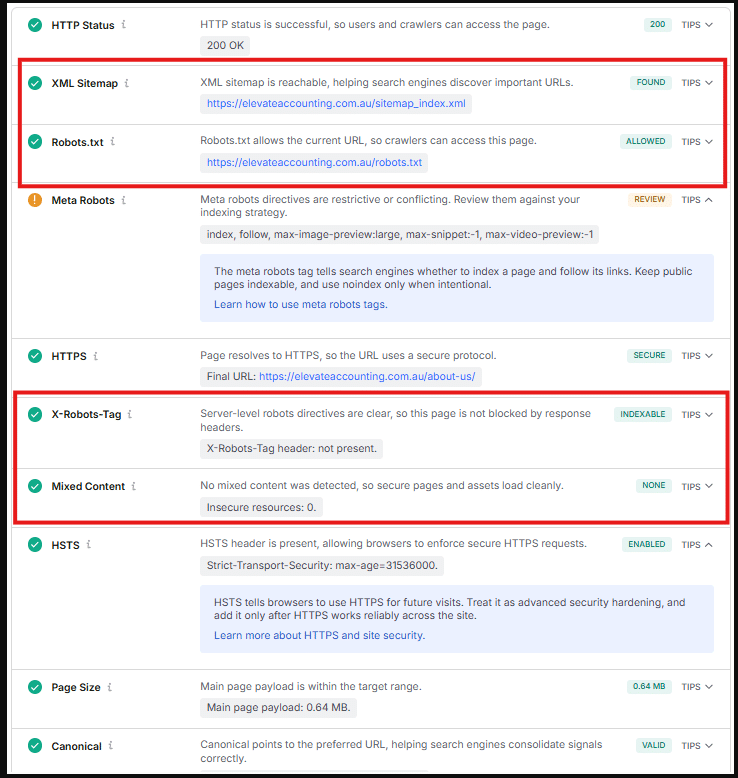
Used URL inspection to review the selected page's indexing status, crawl information, and Google-selected canonical, where available.
Compared the reported indexing information with the intended canonical URL and page configuration. Recorded any outstanding issues requiring further investigation.
Validation & Search Performance
Finish with real Search Console or analytics evidence. Show what was validated and measurable results, if available.
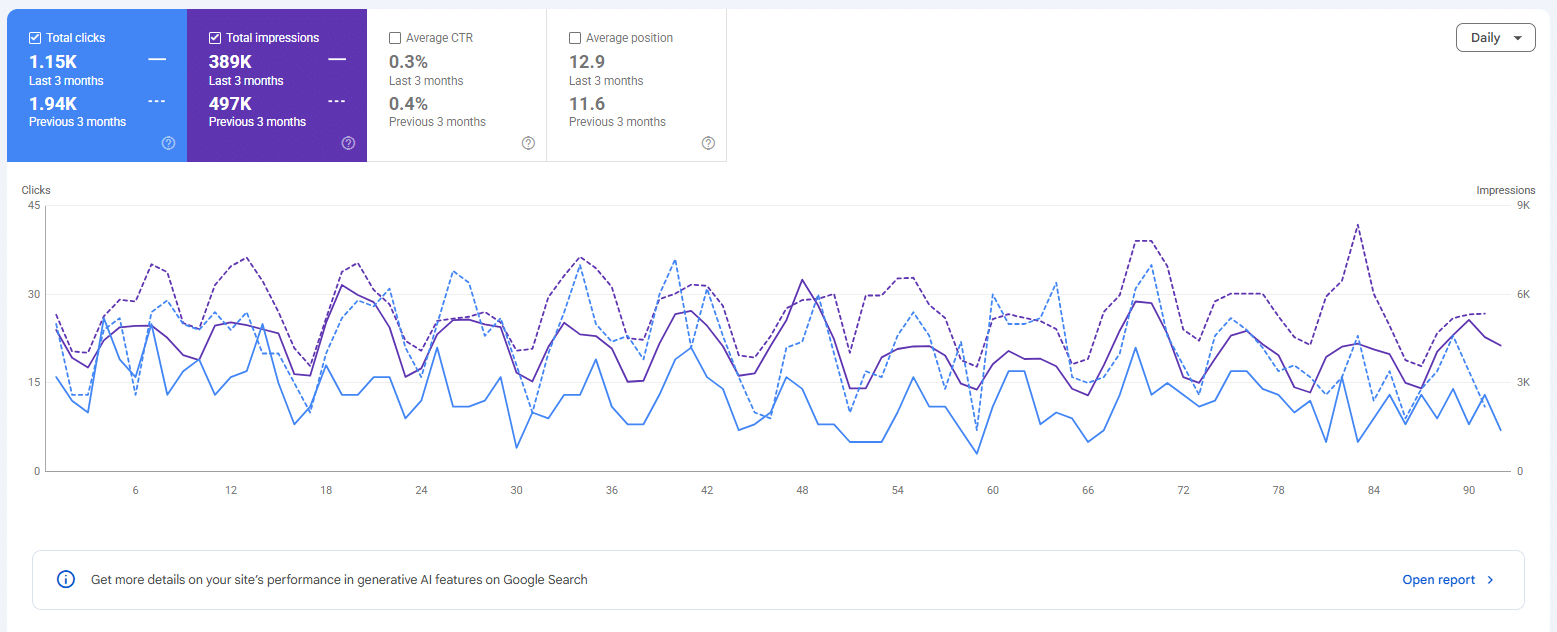
Reviewed the available metrics, including impressions, clicks, click-through rate (CTR), and average position, to establish a baseline for comparison.
Purpose: Provide a reference point for evaluating subsequent performance using comparable reporting periods.
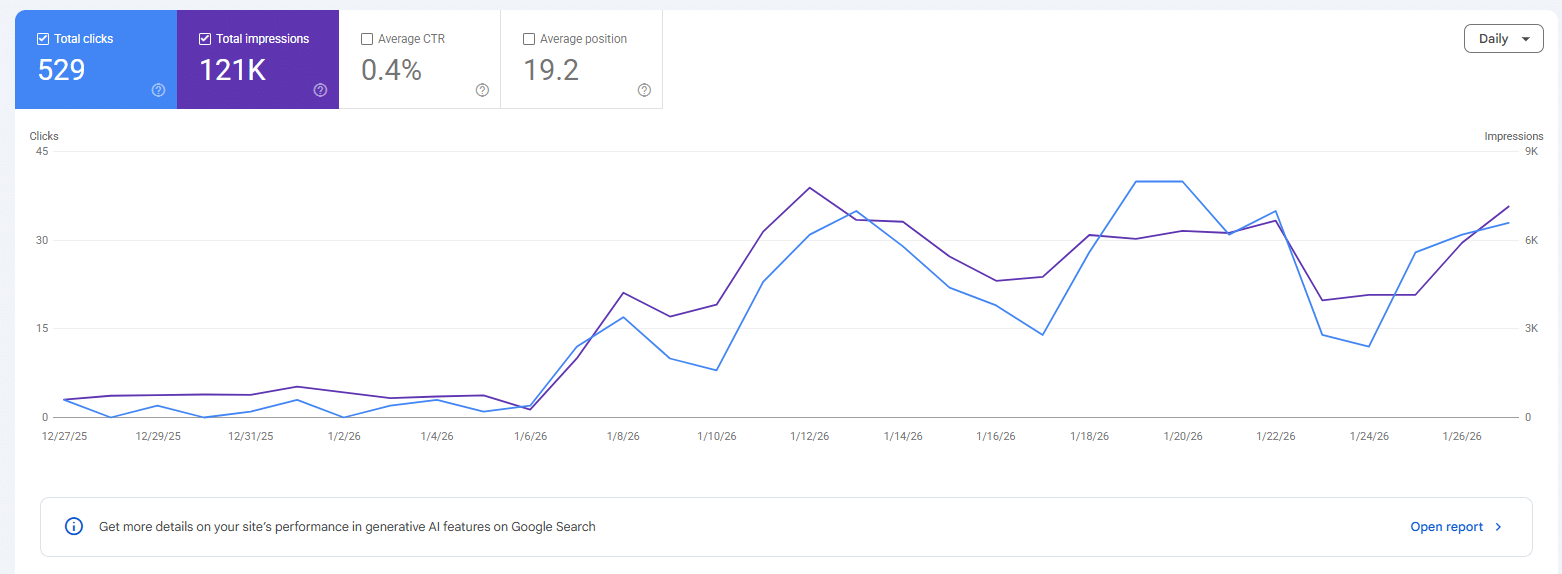
Compared clicks, impressions, CTR, and average position to identify changes in visibility and search engagement.
Validation: Reviewed the reporting periods and available data for meaningful differences. Distinguished observed performance changes from outcomes that could not be directly attributed to the on-page changes alone.