Building Better Websites Through Technical Execution
Web Development & SEO Implementation
I combine SEO knowledge with hands-on website implementation to improve technical accessibility, website performance, content structure, and user experience.
My work focuses on turning website audits and optimisation priorities into practical improvements across WordPress websites, landing pages, and technical SEO foundations.

Website Performance Optimisation
I analyse website performance to identify bottlenecks affecting loading speed, rendering, responsiveness, and visual stability. I prioritise fixes based on their impact, technical feasibility, and potential user experience benefits.
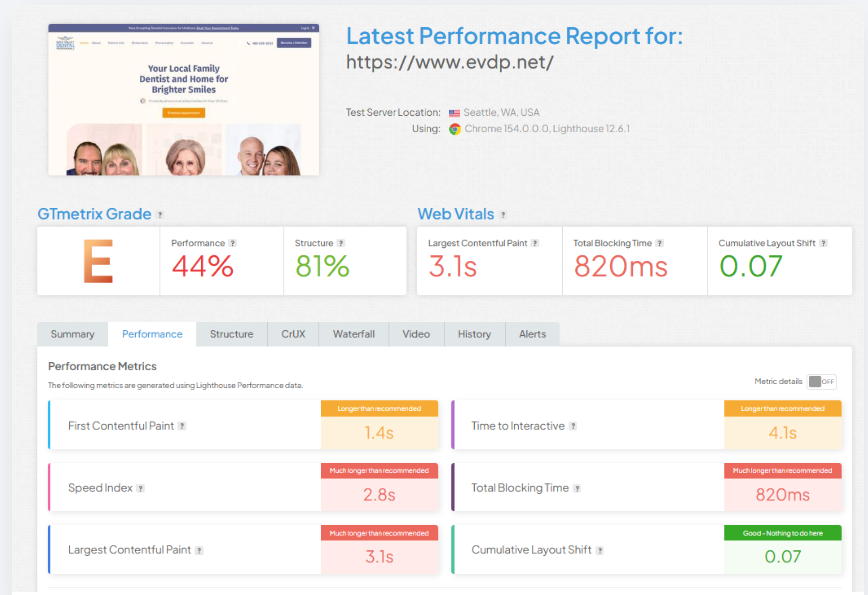
Objective: Improve loading performance and reduce browser-rendering bottlenecks.
Baseline: GTmetrix reported a 44% performance score, a 3.1-second Largest Contentful Paint (LCP), and 820 ms Total Blocking Time (TBT).
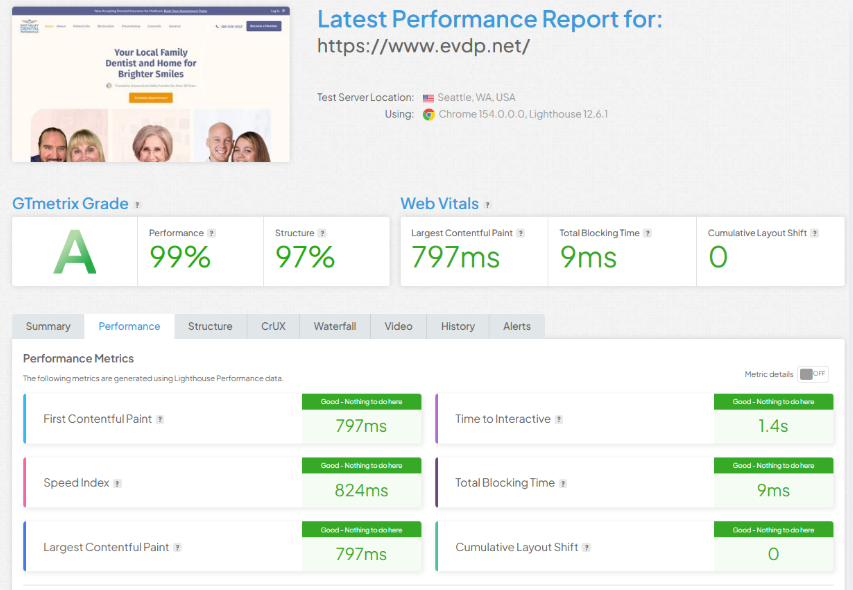
Implementation: The documented changes focused on image optimisation and reducing render-blocking CSS and JavaScript.
Reported results:
- Performance score: 44% → 99%
- LCP: 3.1 s → 797 ms
- TBT: 820 ms → 9 ms
- Speed Index: 2.8 s → 824 ms
- CLS: 0.07 → 0
Technical SEO: Indexing Analysis & Validation
Structured data was implemented to describe the business using relevant Schema.org properties, helping search engines interpret key business information.
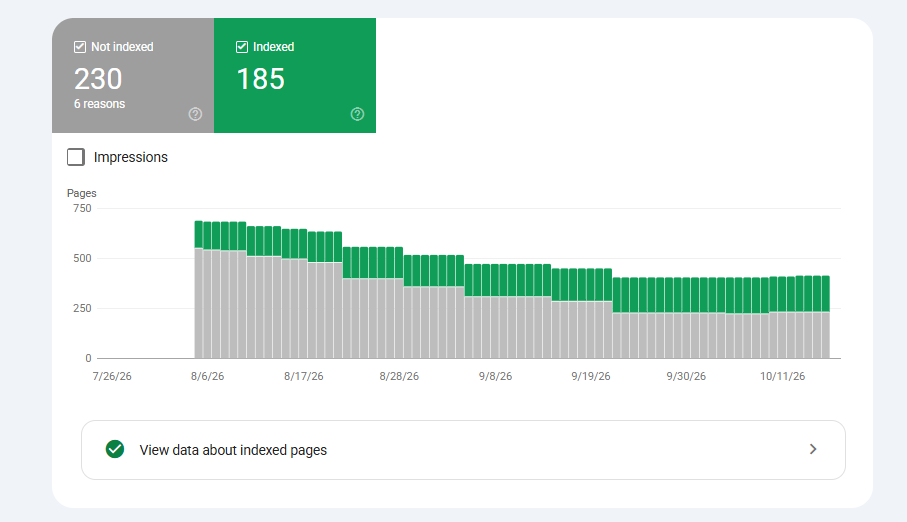
Objective: Evaluate indexing status and identify technical issues that may affect the discoverability of important website pages.
Diagnostic evidence: Google Search Console reported 185 indexed pages and 230 pages that were not indexed in the displayed report.
Analysis: Review the reasons reported by Google Search Console, then assess whether the affected URLs should be indexed based on their purpose, canonical status, content quality, crawlability, and technical directives.
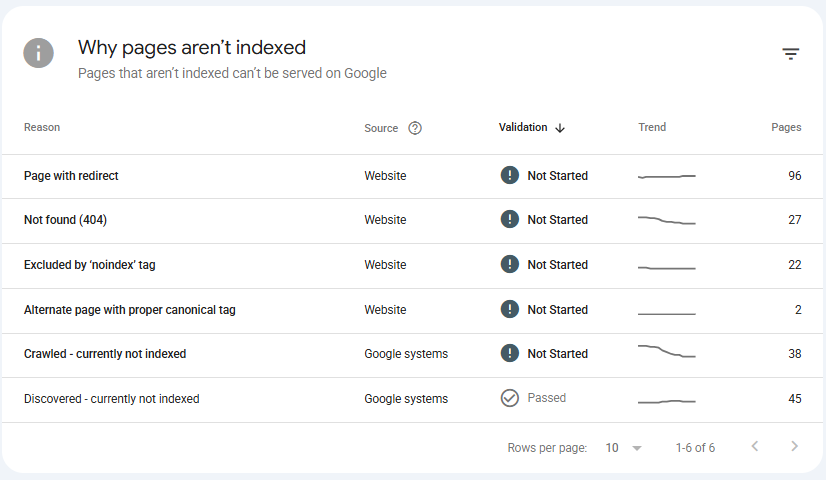
Implementation priorities:
- Investigate indexing exclusions and identify their underlying causes.
- Validate canonical tags, robots directives, and sitemap inclusion where relevant.
- Review internal links to important indexable pages.
- Correct confirmed technical issues rather than attempting to index every URL.
Validation: Reinspect affected URLs, review indexing reports after Google has had time to process changes, and document the status of the affected pages.
Structured Data Implementation
Structured data was implemented to describe the business using relevant Schema.org properties, helping search engines interpret key business information.
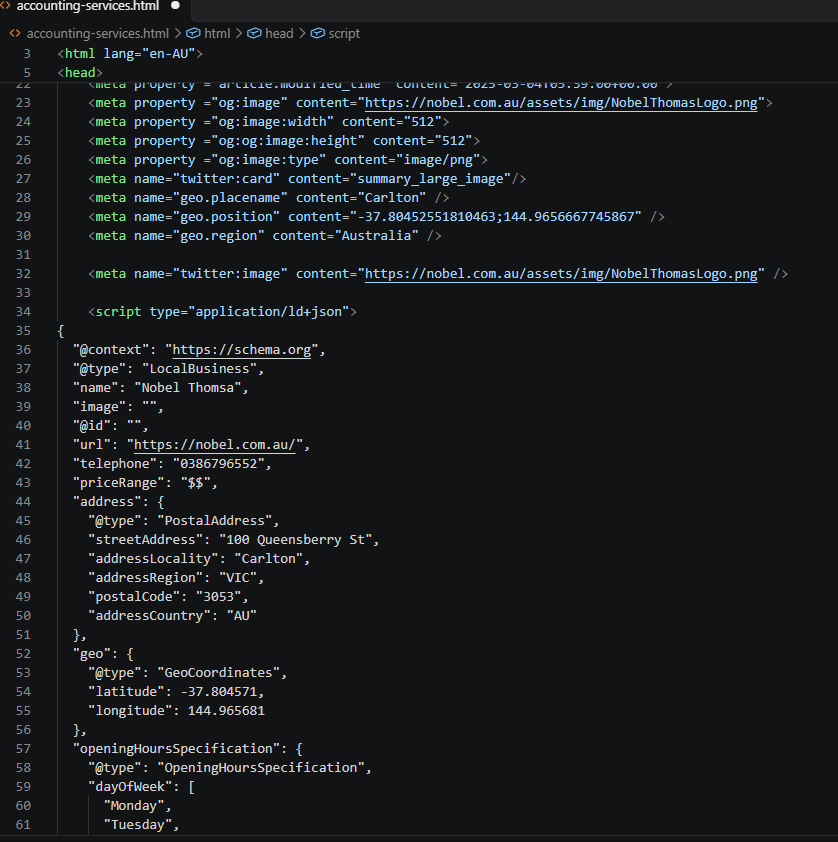
Objective: Improve how search engines interpret key business information through relevant Schema.org structured data.
Implementation: Added structured data to represent the business and its website, aligning the markup with the information presented on the page.
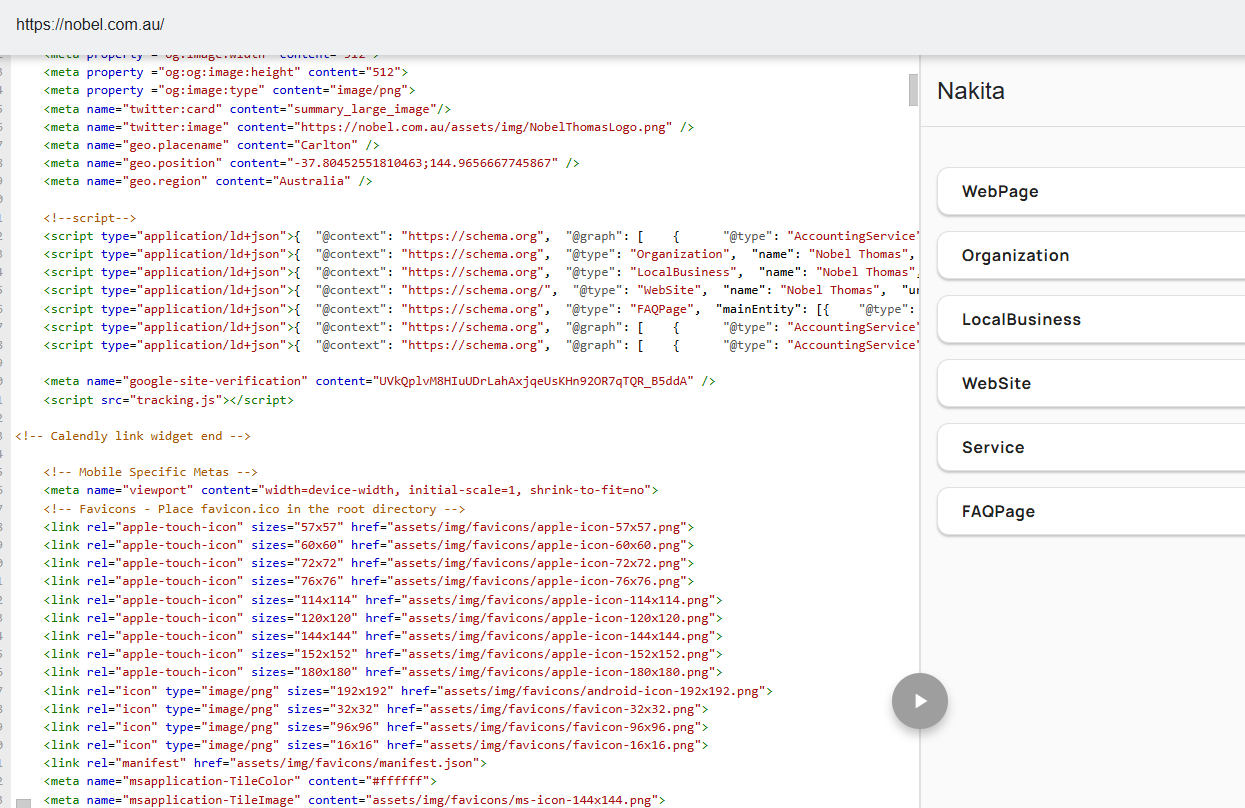
Implementation: Added structured data to represent the business and its website, aligning the markup with the information presented on the page. (Schema Added: Webpage, Organisation, Local Business, Website, Service Schema, FAQ schema)
Validation: Reviewed the generated markup for syntax errors, property accuracy, and consistency with visible website content. Used structured data validation tools to identify potential issues.
WordPress Development & Implementation
I implement website changes that connect business objectives, usability, content structure, and search visibility. My approach combines WordPress experience with SEO knowledge to ensure that design and development decisions support both users and organic search.
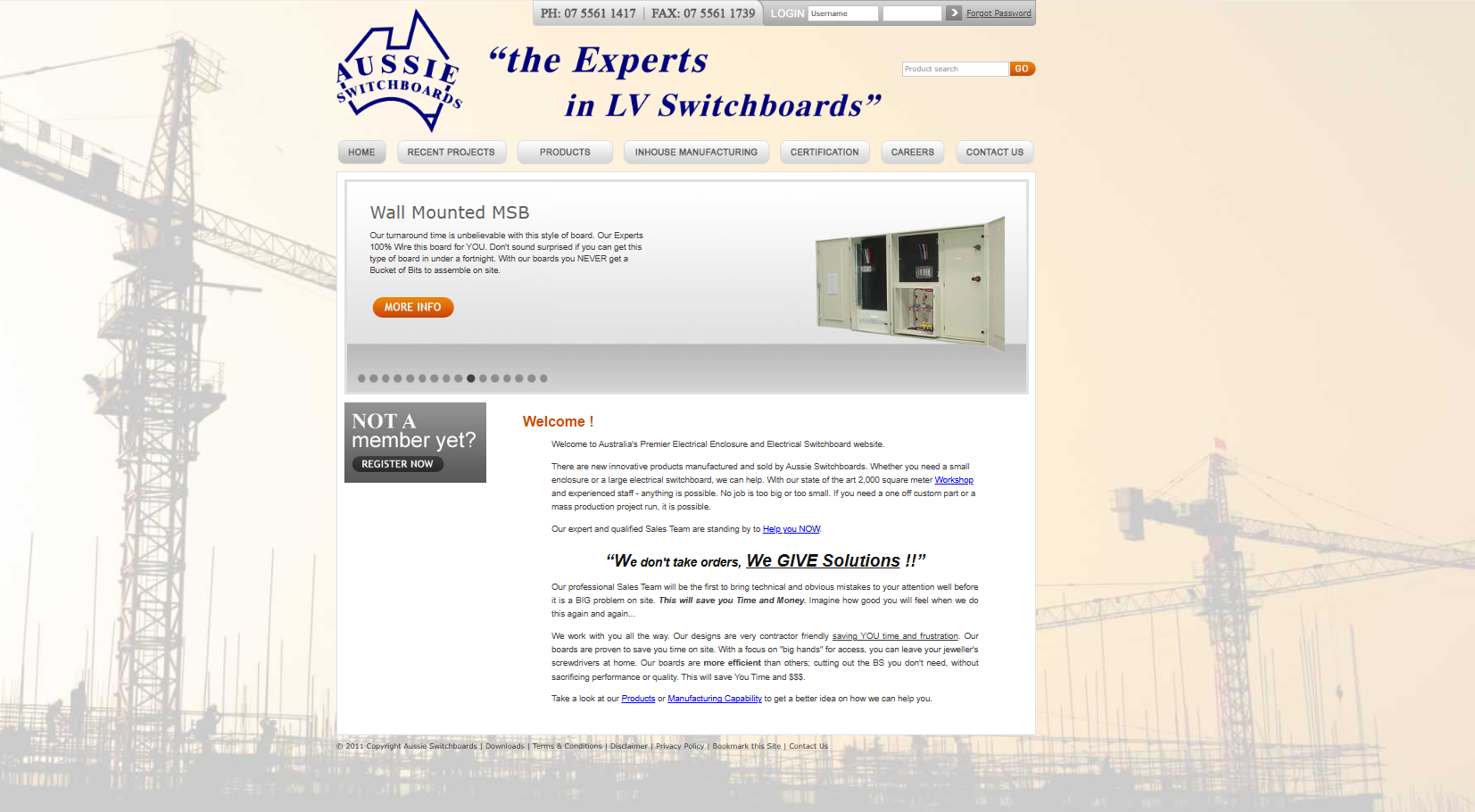
Objective: Improve website presentation, product discovery, business credibility, and access to enquiry pathways.
Challenges identified
- Dated visual presentation and navigation.
- Limited prominence of enquiry calls to action.
- Opportunities to improve product presentation and business information.
- Opportunities to strengthen page structure and on-page SEO.

URL: aussieswitchboards.com.au/
Implementation
- Updated the website layout and visual presentation.
- Improved the visibility of the “Get A Quote” action in the header.
- Enhanced the presentation of products and business information.
- Reviewed page structure and on-page SEO opportunities.
Outcome: The redesigned website presents a more contemporary visual experience, clearer enquiry pathways, and more prominent product information.
Mobile Responsiveness & User Experience
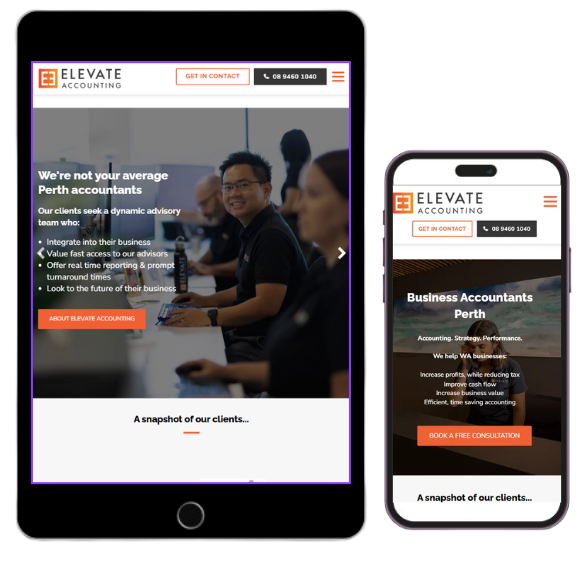
A website should remain usable and easy to navigate across desktop, tablet, and mobile screens. I review responsive layouts and key user journeys to identify presentation issues that may affect usability, accessibility, and conversions.

Implementation areas
- Review page layouts at common mobile, tablet, and desktop viewport widths.
- Check navigation menus, buttons, forms, and interactive elements.
- Identify horizontal overflow, overlapping content, and inconsistent spacing.
- Ensure headings, text, images, and calls to action remain readable and usable.
- Review image sizing and responsive asset delivery.
- Test key conversion paths, including contact forms and quote requests.
Validation
- Test pages at multiple viewport sizes.
- Use browser developer tools to inspect layout behaviour.
- Verify key interactions and form submissions.
- Recheck performance and layout stability after implementation.